A Comprehensive Overview to the Methods Used in Aluminum Foundry Procedures
Aluminum Foundry procedures employ numerous casting strategies, each with distinctive procedures and applications. Understanding these approaches is crucial for maximizing manufacturing and achieving preferred material residential or commercial properties. From sand casting to pass away casting, the selections available can significantly impact effectiveness and expense. As modern technology developments, so also do these strategies, motivating a better examination of their restrictions and advantages. The ramifications of these developments require more expedition.
Overview of Aluminum Casting Techniques
Aluminum casting techniques include a variety of methods made use of to form molten Aluminum right into wanted kinds. These techniques are pivotal in the production and engineering fields, offering convenience and effectiveness. Major methods consist of pass away spreading, which employs high-pressure to inject Aluminum right into molds for precision parts, and gravity casting, where molten Aluminum is poured into molds intoxicated of gravity, allowing for bigger, much less complicated forms. Financial investment casting, another method, involves creating a wax pattern coated in ceramic, offering high dimensional accuracy for complex designs. In addition, permanent mold and mildew casting uses reusable molds, improving manufacturing efficiency and lowering waste. Each strategy accommodates particular applications, stabilizing aspects such as expense, manufacturing quantity, and material homes. As industries progress, developments in these casting approaches proceed to boost the top quality and efficiency of Aluminum elements, positioning them as essential processes within modern production.
Sand Spreading: Process and Applications
Sand spreading is a widely utilized technique in the Foundry market, recognized for its simpleness and flexibility. Aluminum Foundry. This procedure involves creating a mold and mildew from a mixture of sand and a bonding agent, typically clay. The mold is created around a pattern, which is a replica of the desired last item. Once the mold is prepared, molten Aluminum is poured into the dental caries, permitting it to solidify right into the wanted form
One of the main benefits of sand spreading is its ability to produce complex geometries and huge parts, making it appropriate for various applications, including automobile parts, machinery components, and decorative products. In addition, sand casting can accommodate various Aluminum alloys, boosting its convenience. The process is affordable for reduced to tool production runs, as it does not require pricey tooling. In general, sand casting stays an essential strategy in Aluminum Foundry procedures because of its performance in conference diverse production requirements.
Die Casting: Advantages and Limitations
While die spreading is usually contrasted to sand spreading, it offers unique benefits and limitations that make it ideal for details applications in the Aluminum Foundry industry. One significant benefit of die casting is its capacity to create intricate forms with high dimensional accuracy and exceptional surface area coating. This procedure is especially valuable for automation, as it enables faster cycle times and reduced labor costs. Furthermore, die casting decreases material waste, boosting total performance.
Nonetheless, pass away casting likewise has limitations. The first tooling prices are relatively high, making it less possible for little production runs. Furthermore, the process is best matched for steels with low melting points, which can restrict material selections. Die spreading is also limited concerning the maximum size of the components generated, as larger parts might require alternate approaches. Balancing these elements is necessary for determining the proper application of die spreading in the Aluminum Foundry field.
Investment Spreading: Precision and Information
Financial investment casting is a very specific manufacturing process that enables elaborate styles and fine information in Aluminum elements. This strategy offers considerable advantages, consisting of enhanced dimensional accuracy and decreased machining demands. Its applications cover numerous industries, highlighting its flexibility and effectiveness in generating complex components.
Process Overview
The investment casting process is renowned for its ability to create high-precision components and elaborate shapes. This technique starts with producing a wax pattern, which is after that coated with a ceramic shell. As soon as the shell solidifies, the wax is disappeared, leaving a specific tooth cavity for the molten steel. The Aluminum is poured into this dental caries, recording the fine information of the original pattern. After cooling, the ceramic shell is escaped, revealing the actors component. Any type of necessary ending up work, such as machining or surface area treatment, is done to accomplish the preferred specs. This procedure is specifically useful for complex geometries that are challenging to attain through traditional spreading strategies, ensuring both top quality and precision in the final item.
Advantages of Accuracy
Precision in investment spreading provides significant advantages, making it a favored selection for making intricate elements. This technique makes it possible for the manufacturing of detailed forms with limited resistances, decreasing the need for comprehensive machining and lessening product waste. The ability to accomplish high dimensional precision converts to a premium fit and finish, enhancing the overall high quality of the last product. Furthermore, investment spreading enables the unification of fine details, which is crucial for parts requiring elaborate layouts. The procedure likewise sustains using various Aluminum alloys, further expanding its applicability. In general, the precision used by financial investment spreading not just enhances the visual and practical attributes of components but additionally adds to enhanced efficiency in production cycles.
Applications in Market
While lots of making procedures exist, financial investment casting attracts attention for its adaptability throughout numerous industries, especially in industries requiring high accuracy and detailed elements. This spreading method is commonly used in aerospace, auto, and clinical areas, where limited tolerances and detailed designs are vital. For circumstances, aerospace elements take advantage of investment spreading's ability to produce complicated geometries that minimize weight without sacrificing architectural integrity. The auto sector uses this strategy to make engine parts that need durability and accuracy. In the clinical industry, investment casting makes it possible for the manufacturing of medical instruments and implants that must satisfy strict high quality criteria. On the whole, financial investment spreading significantly enhances product performance and dependability, making it an invaluable technique in contemporary manufacturing applications.
Comparison of Casting Techniques
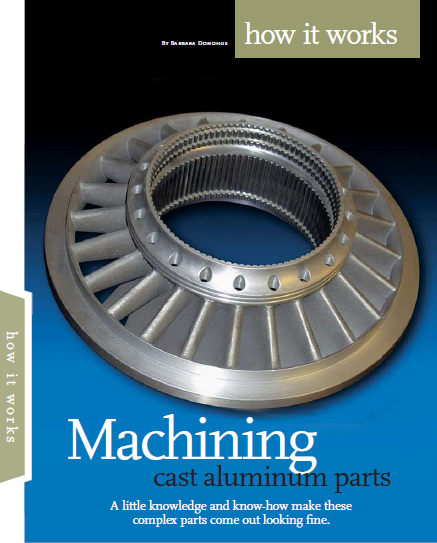 The comparison of casting techniques exposes unique benefits and applications throughout various methods - Aluminum Foundry. Sand casting is usually commemorated for its flexibility and cost-effectiveness, while die casting is identified for its efficiency and precision in generating high quantities. Investment casting, formerly gone over, showcases its distinct capacity to produce complex styles, even more emphasizing the diverse capabilities of each technique in Aluminum Foundry procedures
Sand Spreading Advantages
Sand spreading provides several advantages when compared to other casting techniques, making it a preferred option in numerous manufacturing applications. One of the key advantages is its reduced expense, as the materials needed, such as sand and metal, are readily available and inexpensive. Additionally, sand spreading allows for better layout versatility, making it possible for the manufacturing of complex forms and huge elements that might be challenging to achieve with various other techniques. The procedure additionally suits a wide variety of steel alloys, consisting of Aluminum, boosting its adaptability. Furthermore, sand mold and mildews can be conveniently fixed or modified for succeeding casts, making it effective for both large and tiny production runs. In general, these benefits contribute to sand casting's popularity in the Foundry industry.
Pass Away Casting Techniques
Pass away casting techniques stand apart as a very efficient approach for generating metal components, specifically when contrasted to typical spreading approaches like sand casting. This procedure entails requiring molten Aluminum into a mold and mildew under high pressure, resulting in accurate dimensions and a smooth surface coating. Unlike sand spreading, which needs considerable ending up work, pass away casting minimizes post-production processing, improving total performance. Additionally, die spreading can fit complex geometries, enabling detailed designs that would be challenging to achieve with other approaches. The rate of manufacturing is an additional advantage; pass away spreading can produce huge amounts of components in a shorter timeframe. Overall, the combination of precision, effectiveness, and layout versatility makes die casting a preferred choice in modern-day Aluminum Foundry procedures.
Investment Casting Applications
Financial investment spreading, typically referred to as lost-wax spreading, offers unique benefits over other casting techniques, specifically with regard to accuracy and surface coating. This strategy permits the creation of detailed shapes and fine details that are difficult to achieve with sand or die casting. Additionally, investment casting generates components with exceptional dimensional accuracy, lowering the demand for comprehensive machining. Its flexibility makes it suitable for various industries, including aerospace, automotive, and clinical tools, where top quality components are crucial. Contrasted to pass away casting, which can be limited by mold complexity, investment casting excels in producing complex geometries without jeopardizing structural integrity. The choice of investment casting ends up being increasingly beneficial for applications requiring high performance and reliability.
Quality Assurance in Aluminum Foundry Procedures
Exactly how can Aluminum factories ensure the best in their items? Implementing strenuous quality assurance actions is vital. Foundries usually begin by establishing clear requirements for the Aluminum alloys made use of, ensuring they satisfy industry standards. Continual surveillance during the melting and putting processes assists recognize any kind of variances from preferred chemical compositions.
In addition, visual assessments and non-destructive screening approaches, such as ultrasonic or X-ray examinations, are commonly utilized to discover interior defects or inconsistencies in castings. Additionally, analytical process control methods track production data, allowing for early identification of prospective problems.
Routine training and qualification of workers in quality control practices are important for keeping high criteria. Implementing comments loopholes from consumers can assist shops improve their processes and boost product top quality. By sticking to these methods, Aluminum foundries can consistently deliver high-grade products that surpass or satisfy customer assumptions.
Future Fads in Aluminum Casting Technology
Improvements in Aluminum casting technology are get more poised to reshape the sector landscape, building upon recognized quality assurance practices. Advancements such as additive production and clever Foundry options are emerging, enabling improved style versatility and minimized waste. The combination of expert system and artificial intelligence in procedure monitoring allows for real-time changes, boosting effectiveness and product high quality.
Sustainability stays a vital focus, with a focus on recycling scrap Aluminum and minimizing power usage. Advanced alloy formulas are being created to maximize efficiency while minimizing ecological effect. The adoption of automated systems, consisting of robotics for pouring and managing, promises to boost work environment safety and security and accuracy.
Moreover, electronic doubles are acquiring traction, allowing for online simulations that assist in better decision-making and anticipating maintenance. As these patterns advance, they will likely produce a much more efficient, sustainable, and technologically progressed Aluminum spreading sector, setting brand-new requirements for top quality and efficiency.
Frequently Asked Concerns
What Safety and security Measures Should Be Absorbed Aluminum Foundry Workflow?
In Aluminum Foundry procedures, vital security procedures consist of individual protective equipment, appropriate ventilation, routine training, risk analyses, emergency situation readiness, and adherence to protocols to mitigate dangers related to molten steel and hefty equipment.
Just How Is Recycled Aluminum Made Use Of in Foundry Processes?
Recycled Aluminum is commonly made use of in Foundry procedures to reduce ecological influence and production prices. It undergoes melting and refining, permitting suppliers to produce top quality items while preserving power and decreasing waste in the Aluminum lifecycle.
What Tools Is Vital for Aluminum Casting?
Crucial devices for Aluminum spreading includes heating systems for melting, molds for shaping, pouring ladles, cooling systems, and completing devices. Each component look at these guys plays a vital duty in ensuring the performance and high quality of the casting process.
Just How Do Ecological Laws Influence Aluminum Foundries?
Environmental policies greatly affect Aluminum factories by imposing restrictions on exhausts and waste management. Conformity needs financial investment in cleaner modern technologies, which can increase operational expenses however ultimately promotes sustainability and reduces the ecological impact of the industry.
What Are Usual Flaws in Aluminum Castings and Their Solutions?
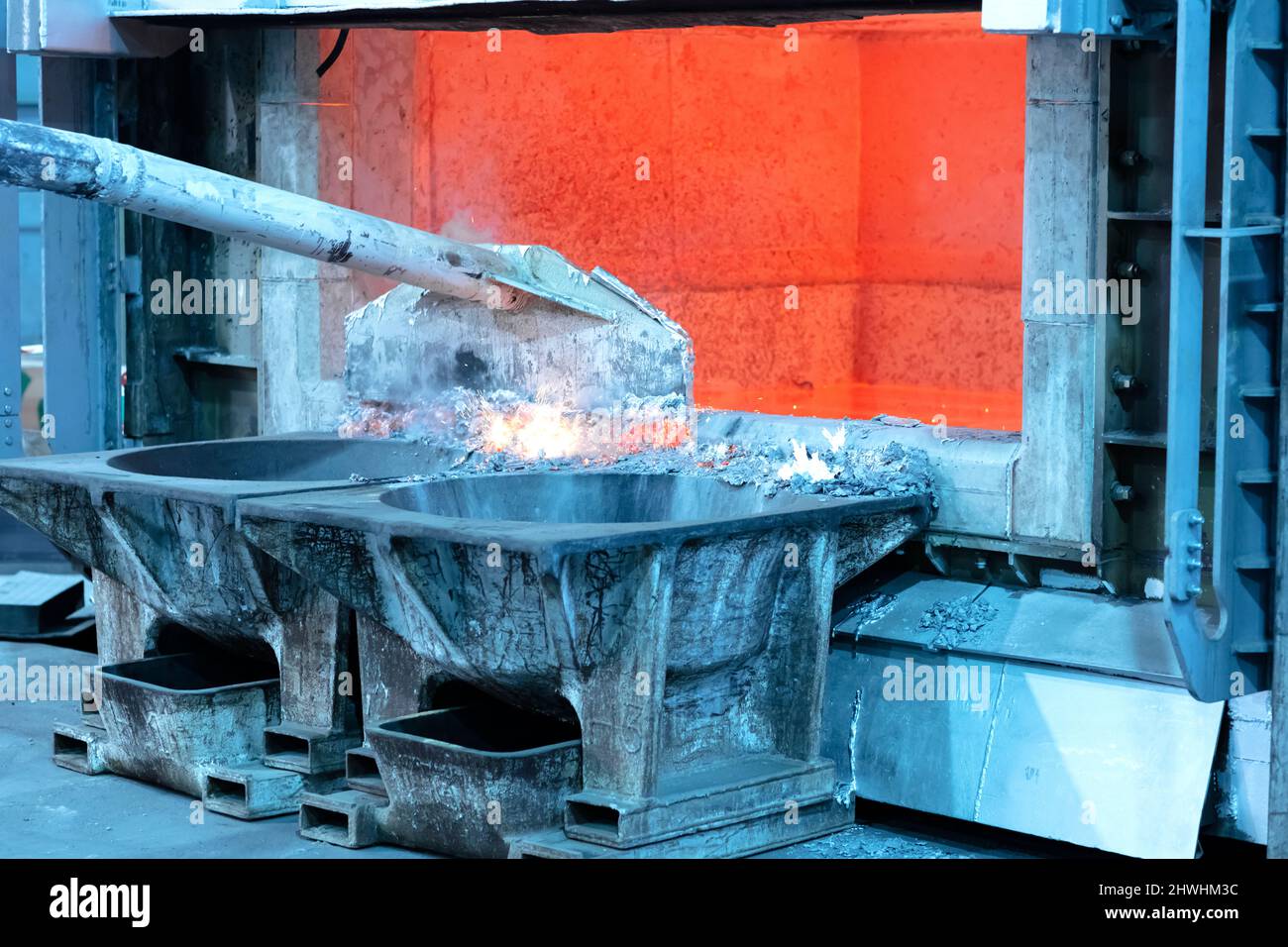
Common issues in Aluminum castings consist of surface area, porosity, and shrinkage imperfections. Solutions include maximizing melt top quality, regulating cooling rates, and using appropriate mold layout, making certain far better honesty and performance of the last actors products.
 Major methods consist of die casting, which utilizes high-pressure to inject Aluminum right into mold and mildews for accuracy parts, and gravity casting, where molten Aluminum is put into mold and mildews under the impact of gravity, enabling for bigger, less intricate forms. While die casting is frequently compared to sand spreading, it supplies distinctive benefits and limitations that make it suitable for particular applications in the Aluminum Foundry market. Sand casting is commonly celebrated for its flexibility and cost-effectiveness, while die casting is recognized for its efficiency and precision in creating high quantities. Die spreading techniques stand out as a highly reliable approach for generating metal components, especially when contrasted to conventional spreading methods like sand casting. Contrasted to pass away casting, which can be moved here limited by mold intricacy, investment spreading succeeds in producing complex geometries without jeopardizing architectural stability.
Comments on “Aluminum Foundry Wisconsin guarantees dependable casting performance”